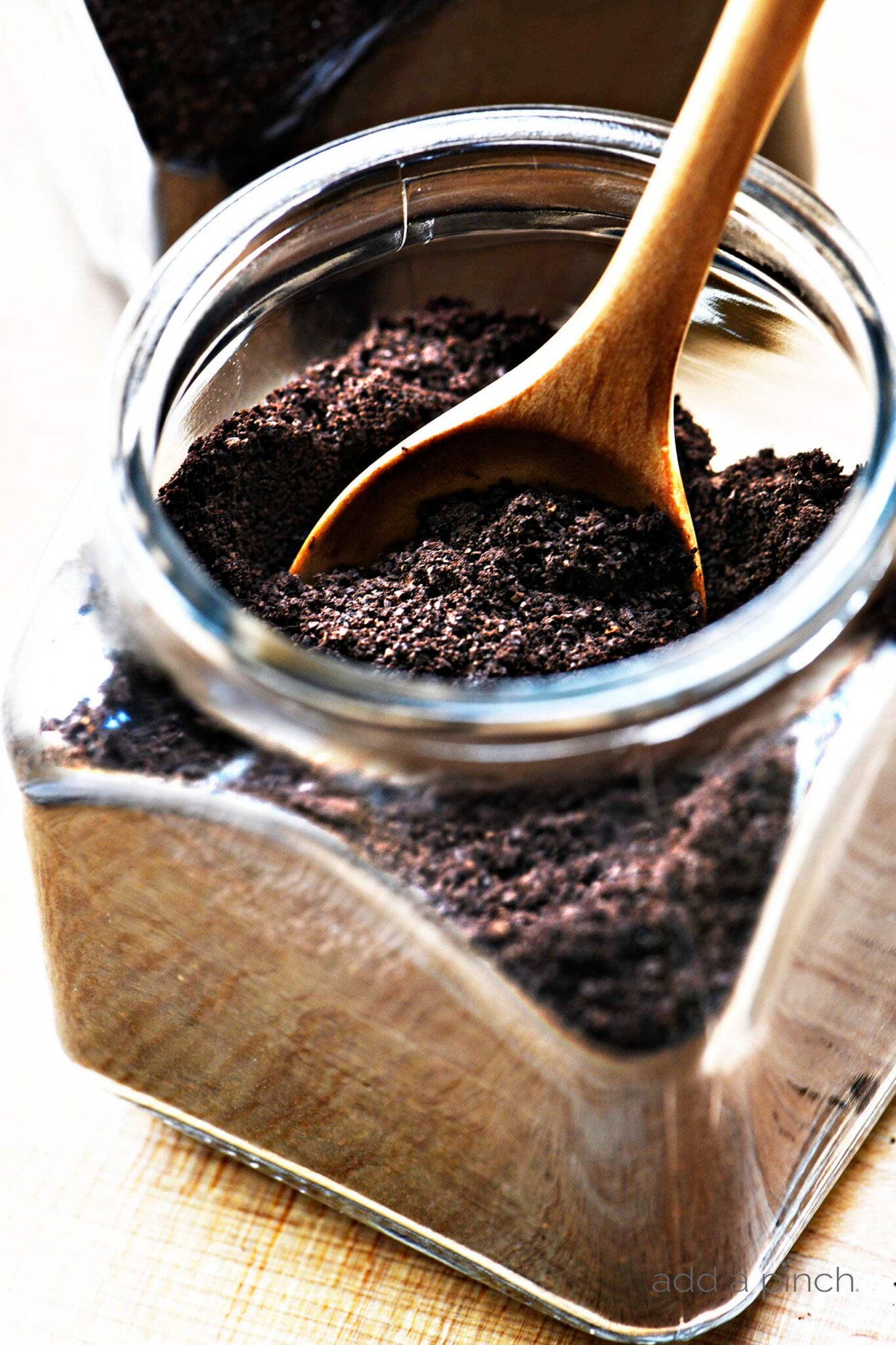
Why Make Your Own Espresso Powder? Unlocking Baking's Secret Weapon
For home bakers and culinary enthusiasts alike, discovering the secret ingredient that elevates ordinary chocolate creations to extraordinary masterpieces is a game-changer. That secret, whispered among professional pastry chefs, is espresso powder. While readily available in many specialty stores and online, the ease and satisfaction of making your own
DIY Espresso Powder at home are unparalleled. But why go the homemade route?
First and foremost, homemade espresso powder is a powerful flavor enhancer. Many believe it simply adds a coffee taste, but its magic lies in its ability to significantly intensify chocolate flavor without imparting a distinct coffee note. Think of it as a flavor amplifier. A mere teaspoon in your chocolate cake, fudge brownies, or even chocolate chip cookies will deepen the cocoa notes, making the chocolate taste richer, darker, and more profoundly satisfying. This isn't about making your dessert taste like a mocha; it's about making the chocolate itself shine brighter. For a deeper dive into this fascinating phenomenon, read our article:
Espresso Powder: The Secret to Intensify Chocolate Baking.
Beyond its transformative effect on chocolate, making your own espresso powder offers practical advantages. It's incredibly cost-effective. While store-bought versions can be pricey, a small bag of quality espresso beans will yield a generous supply of powder, ensuring you always have this secret weapon at your fingertips. No more last-minute dashes to the grocery store or waiting for an online order to arrive when a sudden baking craving strikes. You also gain complete control over the quality of your ingredients. You can choose organic, fair-trade, or locally roasted beans, ensuring the freshest, purest flavor profile for your culinary creations. This level of customization allows you to tailor the subtle nuances of your espresso powder to your specific baking preferences, setting your treats apart.
Gathering Your Essentials: What You'll Need for Your Homemade Espresso Powder Recipe
Embarking on your journey to create homemade espresso powder is surprisingly simple, requiring only a few key items. The beauty of this
espresso powder recipe lies in its minimal requirements, making it accessible to virtually any home kitchen.
Espresso Beans: The Heart of Your Powder
The most crucial ingredient is, of course, espresso beans. While any good quality coffee bean can theoretically work, espresso beans are specifically roasted to a darker, richer profile that delivers a more intense flavor. I highly recommend using organic, medium-to-dark roast espresso beans if possible. Look for fresh beans, ideally from a local roaster or a trusted coffee supplier, as freshness significantly impacts the final product's aroma and potency. While the reference context suggests local CSA or farmer's co-ops, even a well-stocked grocery store will offer good options. If organic isn't readily available, don't fret; simply opt for your favorite high-quality espresso bean. The key is to choose whole beans, not pre-ground coffee, as we'll be toasting and grinding them ourselves for maximum freshness and flavor.
Baking Sheet: For Perfect Toasting
A good quality baking sheet is essential for evenly toasting your espresso beans. I highly recommend using a rimmed half-sheet pan. The rim prevents the beans from rolling off the pan, and the heavy-gauge material ensures even heat distribution, which is vital for achieving a uniform toast without burning. If you have two, even better, as this allows for versatility in your kitchen, but one is perfectly sufficient for this task. The goal is a gentle toast that enhances their inherent oils and dries them slightly, making them easier to grind into a fine powder.
Coffee or Spice Grinder: Achieving the Fine Grind
This is perhaps the most critical tool for achieving the desired consistency. You'll need either a coffee grinder or a dedicated spice grinder. While many coffee enthusiasts already own a grinder, it's worth considering a separate, inexpensive grinder specifically for making espresso powder if you plan to use it frequently. This prevents any residual coffee oils or flavors from transferring to your delicate spice blends or vice-versa.
For optimal results, a burr-style conical grinder is superior to a blade grinder. Burr grinders grind beans uniformly, producing a consistent particle size essential for a fine powder. Blade grinders, conversely, chop the beans, often resulting in an uneven mix of fine powder and larger chunks. If you only have a blade grinder, you can still achieve a fine powder with patience, pulsing the beans and sifting them (more on that later). Regardless of the type, ensure your grinder is clean and dry before use.
Airtight Spice Container: For Optimal Storage
Once your homemade espresso powder is ready, proper storage is key to maintaining its potency and freshness. An airtight spice container, preferably made of glass or an opaque material, is ideal. Exposure to air, light, and moisture can degrade the flavor and aroma of your powder over time. Choose a container that's small enough to minimize air space, and consider amber or opaque glass to protect against light.
Step-by-Step Guide: Your Easy Espresso Powder Recipe
Making your own espresso powder is a straightforward process, broken down into a few simple steps. Follow this
espresso powder recipe to create a consistent, flavorful ingredient for all your baking adventures.
Step 1: Toasting the Espresso Beans
Preheat your oven to a low temperature, typically around 250°F (120°C). Spread your desired quantity of whole espresso beans in a single, even layer on your rimmed baking sheet. The amount you toast will depend on how much powder you want to make; remember that beans will yield approximately the same volume of powder.
Place the baking sheet in the preheated oven and toast for about 10-15 minutes. The goal here isn't to roast them further, but rather to gently warm them, enhance their aromatic oils, and dry them out slightly. This process makes them more brittle and easier to grind into an exceptionally fine powder. Keep a close eye on them; you want them to become fragrant and perhaps a shade darker, but not burnt. Once toasted, remove the beans from the oven and allow them to cool completely on the baking sheet. This cooling step is crucial, as grinding warm beans can release excess oils, potentially clumping the powder and dulling your grinder blades.
Step 2: Grinding to Perfection
Once the beans are completely cool, it's time to grind them. For best results, work in small batches, especially if you're using a blade grinder. Overfilling the grinder can lead to inconsistent results and stress the motor.
Transfer a small handful of toasted beans into your coffee or spice grinder. If using a burr grinder, set it to the finest possible grind setting. For a blade grinder, pulse the beans in short bursts (5-10 seconds each), shaking the grinder between pulses, to ensure even grinding. Continue grinding until the beans are transformed into an incredibly fine powder, resembling the consistency of cocoa powder or confectioners' sugar. The finer the grind, the better it will integrate into your baked goods without leaving a gritty texture.
To achieve truly professional-grade espresso powder, I highly recommend sifting your ground beans. Pass the powder through a fine-mesh sieve into your airtight container. Any larger particles that remain in the sieve can be returned to the grinder for another round of pulsing until they, too, are finely powdered. This extra step ensures a perfectly smooth, uniform espresso powder that will seamlessly blend into any recipe.
Step 3: Storing Your Homemade Espresso Powder
Immediately after grinding and sifting, transfer your freshly made espresso powder into your chosen airtight spice container. Ensure the lid is sealed tightly. Store the container in a cool, dark, and dry pantry, away from direct sunlight, heat, and humidity. These elements are the enemies of freshness for any ground spice.
When stored correctly, homemade espresso powder can maintain its peak potency and flavor for about 2-3 months. While it won't spoil quickly beyond that, its aromatic compounds will gradually diminish. For optimal freshness, it's a good practice to label your container with the date of preparation. Making smaller batches more frequently can also ensure you're always baking with the most vibrant, potent espresso powder.
Tips for Success and Maximizing Your Homemade Espresso Powder
Creating your own
espresso powder recipe is an empowering step for any baker, opening doors to richer flavors and culinary innovation. To ensure your homemade powder consistently delivers outstanding results, consider these additional tips and insights.
Embrace the Finer Grind
I cannot overstate the importance of achieving an ultra-fine grind. Unlike coffee for brewing, where consistency is key but particle size can vary, espresso powder for baking needs to be as fine as confectioners' sugar. This ensures it dissolves and integrates perfectly into batters and doughs without leaving a gritty texture. If your powder isn't fine enough, it might not properly intensify chocolate or could even introduce an unwanted texture. Don't be afraid to grind, sift, and re-grind until you reach that silky smooth consistency.
Consider a Dedicated Grinder
While not strictly necessary, having a small, inexpensive grinder solely for spices and espresso powder can be a game-changer. Coffee beans, especially darker roasts, contain oils that can linger in a grinder, potentially imparting a subtle coffee flavor to subsequent uses for other spices, or vice-versa. A dedicated grinder ensures the pure, unadulterated flavor of your espresso powder. It’s a small investment that pays dividends in flavor integrity.
Explore Roast Profiles
While medium-to-dark roasts are generally recommended for their robust flavor, don't hesitate to experiment with different espresso bean roast profiles. A very dark roast might lend a slightly more bitter, intense note, while a lighter roast could offer a more nuanced, fruitier undertone. This experimentation allows you to personalize your espresso powder to complement specific recipes or your individual taste preferences.
Creative Uses Beyond Chocolate
While its star role is undoubtedly enhancing chocolate, homemade espresso powder is incredibly versatile. Don't limit its use to just brownies and cakes! Consider adding a pinch to:
* **Savory Dishes:** Rubs for meats (especially beef and pork), chili, barbecue sauces, or even a savory marinade for a deeper umami flavor.
* **Non-Chocolate Desserts:** Caramel sauces, vanilla ice cream bases, custards, or even a sprinkle over fruit tarts. It can add a subtle depth that makes other flavors pop without tasting distinctly like coffee.
* **Smoothies:** A tiny dash can add complexity to your morning power drink.
Troubleshooting Grinding Issues
If you're finding it difficult to get a super-fine grind, especially with a blade grinder, try grinding smaller batches. Overloading the grinder is a common mistake. Also, ensure your beans are completely cool and dry after toasting; moisture can prevent them from breaking down properly. If you still have slightly larger granules, consider giving the powder an extra pass through the fine-mesh sieve, returning the coarser bits to the grinder.
By following this
espresso powder recipe and incorporating these tips, you'll be well-equipped to produce a high-quality, homemade ingredient that will undoubtedly elevate your baking and cooking to new heights. For more ways to enhance your culinary creations, check out our guide on
DIY Espresso Powder: Elevate Your Baked Goods with Ease.
Conclusion
Creating your own espresso powder at home is a simple yet incredibly rewarding endeavor for any passionate baker. This easy
espresso powder recipe not only guarantees a fresh, potent, and cost-effective ingredient but also puts you in control of its quality and flavor profile. By following a few straightforward steps—toasting quality espresso beans, grinding them to a super-fine consistency, and storing them properly—you'll unlock a secret weapon that promises to transform your chocolate creations, making them richer and more intensely flavored than ever before. So, gather your ingredients, embrace the process, and prepare to impress everyone with the depth of flavor only homemade espresso powder can deliver.